


-
Collagen x
-
de x
-
fr x
-
Aug 17, 2026
How to Improve Gut Health: What Studies Show (and What's Myth)
Bloating after meals, low energy, skin that has lost its glow – sometimes all these everyday niggles trace back to the same place: your gut. Learning how to improve gut health sounds complicated, but it doesn't have to be. Here's the honest overview: what studies actually show, which popular claims are more myth than fact, and what you can realistically change.
What is your gut microbiome, and why is everyone talking about it?
Your gut microbiome (sometimes still called "gut flora") is the entire community of microorganisms living in your digestive tract – mostly bacteria, but also viruses and fungi. It helps digest food, trains your immune system, produces vitamins, and is even linked to your mood through the so-called gut-brain axis. In short: a diverse, balanced gut microbiome is far more than a digestive helper – it's a central pillar of your overall wellbeing.
Key takeaways
- Your gut microbiome responds to diet, stress, sleep, movement and medication – usually several factors at once, not just one.
- Probiotic strains can, according to studies, ease certain digestive complaints – how strong the evidence is depends on the exact strain and formulation.
- Prebiotic fibres like inulin reliably increase Bifidobacteria – how much that translates into symptom relief varies from person to person.
- Psychological stress is also linked to gut microbiome diversity – a factor that's often underestimated.
- Your gut environment changes over your lifespan, often noticeably during perimenopause.
Signs your gut microbiome may be out of balance
Not every stomach complaint automatically means an imbalanced gut microbiome – but certain patterns tend to show up together:
- Recurring bloating or a heavy feeling after eating
- Irregular bowel movements – sometimes constipation, sometimes looser stools
- Low energy that isn't fully explained by lack of sleep
- Skin that looks more reactive or less radiant than usual
- Catching infections more often than before
Important: these signs can have many causes. If symptoms are persistent or severe, or if you notice blood in your stool, fever, or unintended weight loss, please see a doctor – this article does not replace medical diagnosis.
Myth or fact: 4 common claims, checked
A lot of half-truths circulate around improving gut health. A quick reality check:
"A 3-day gut cleanse is enough to permanently rebuild your gut flora."
Your gut composition does react quickly to dietary changes, but stable shifts usually need weeks of consistent habits rather than a short cleanse.
"The more probiotic products you combine at once, the better."
Studies show effects for specific, well-characterised strain combinations – randomly stacking many products is not automatically more effective.
"Stress has nothing to do with your gut, it's purely mental."
A recent study in healthy adults found that stressful life events explained around 5% of the variation in gut microbiome composition – a similar magnitude to diet.
"Fibre affects everyone's gut the same way."
A systematic review of 42 controlled trials found that fibre's effect on the gut microbiome depends heavily on fibre type, dose, and each person's starting microbiome – there's no single "one-size-fits-all" effect.
What studies actually show: probiotics, fibre & stress
Instead of vague promises, here's an honest look at three areas where real research exists.
Probiotic strains and digestive complaints
A randomised, placebo-controlled trial in 150 people with constipation-predominant irritable bowel syndrome tested two multispecies probiotic blends over 60 days. Both formulations – containing strains such as Lactobacillus acidophilus, L. reuteri, L. plantarum, L. rhamnosus and Bifidobacterium animalis subsp. lactis – showed significantly more responders (people with noticeable symptom relief) than the placebo group, and the effect was still present 30 days after supplementation stopped.
Mezzasalma V. et al. (2016): A Randomized, Double-Blind, Placebo-Controlled Trial: The Efficacy of Multispecies Probiotic Supplementation in Alleviating Symptoms of Irritable Bowel Syndrome Associated with Constipation. BioMed Research International. doi.org/10.1155/2016/4740907
Fibres like inulin: reliably bifidogenic, but not uniform
A systematic review of 42 randomised controlled trials on dietary fibre and the gut microbiome reached a nuanced conclusion: inulin – the most studied prebiotic fibre – reliably increased Bifidobacteria levels in almost every trial. Its effect on short-chain fatty acids and specific symptoms, however, was inconsistent and strongly dependent on dose, fibre type, and each person's microbiome. The authors explicitly note that there is no single, uniform effect of fibre on the gut microbiome.
Vinelli V. et al. (2022): Effects of Dietary Fibers on Short-Chain Fatty Acids and Gut Microbiota Composition in Healthy Adults: A Systematic Review. Nutrients, 14(13):2559. doi.org/10.3390/nu14132559
The underrated factor: psychological stress
A study across two groups of healthy adults (over 130 participants total) examined how different types of stress relate to gut microbiome composition. Stressful life events were linked to altered gut composition in both groups – explaining around 5% of the variation between participants, a similar magnitude to diet's known effect. People with lower perceived stress also had a more diverse gut microbiome.
Delgadillo D. R. et al. (2025): Biological, environmental, and psychological stress and the human gut microbiome in healthy adults. Scientific Reports, 15:362. doi.org/10.1038/s41598-024-77473-9
This is an evolving field of research – if you have a medically diagnosed condition such as IBS or inflammatory bowel disease, always discuss any supplement with your doctor first.
Improving gut health with Glow25 Balance
If you want to support your gut microbiome without weighing out powders or overhauling your routine, Glow25 Balance is built for exactly that: a 3-in-1 tribiotic formula with active and inactivated lactic acid bacteria, inulin and gold kiwi extract – complemented by vitamin B2 and calcium.
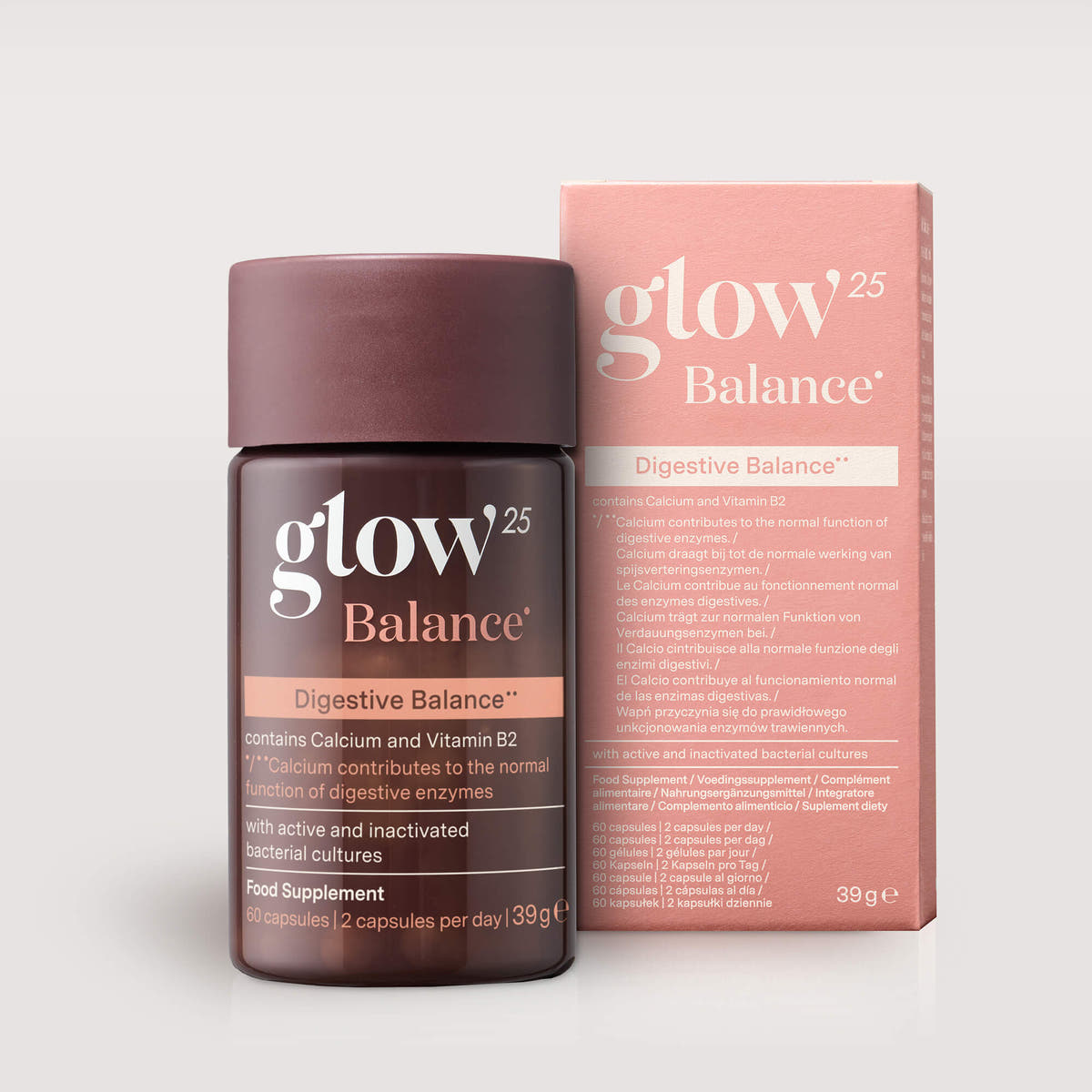
Glow25 Balance
The tribiotic product with pre-, pro- and postbiotics. Two capsules a day, no powders, no complicated routine.
- 3-in-1 formula: active & inactivated lactic acid bacteria, inulin, gold kiwi extract
- Vitamin B2 contributes to the maintenance of normal skin*
- Calcium supports the normal function of digestive enzymes*
- Vegan, flavourless capsules
*Authorised claim under EU health-claims regulation. Price incl. VAT, plus shipping. Source: glow25.de/en-de/products/glow25-balance.
How to improve gut health day to day: 5 levers
None of these steps work miracles on their own – together, they form a solid routine:
Different plant-based fibre sources – vegetables, legumes, whole grains – feed different bacterial strains at once.
Even moderate, consistent activity is linked in studies to a more diverse gut microbiome.
A stable sleep-wake cycle also supports the internal clock of your gut bacteria.
Since stress is linked to gut diversity in studies, relaxation routines count as gut care too.
A tribiotic product like Glow25 Balance can meaningfully complement an already good routine – but it doesn't replace a balanced diet.
Gut health and menopause: the overlooked connection
One aspect missing from most gut-health guides: your gut environment changes across your lifespan, and this is especially noticeable during perimenopause. Declining oestrogen levels affect not only skin and mood, but also the composition of your gut bacteria. If you're also noticing a real drop in energy during this stage of life, our collagen products page and the Glow25 product range cover related routines for this life stage in more depth.
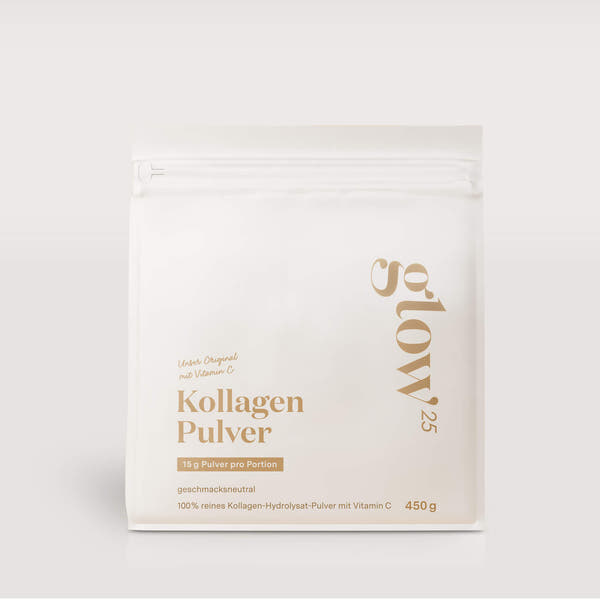
Worth knowing: collagen supplements support the structural side of the gut lining, while the microbial balance this article focuses on is better supported by targeted pre- and probiotics like those in Glow25 Balance. The two approaches aren't mutually exclusive – they simply work on different parts of the picture.
Frequently asked questions about improving gut health
How long does it take to improve gut health?
This varies from person to person, depending on your starting point, the cause of any imbalance, and how consistent you are with diet and lifestyle. Many people report first improvements in wellbeing after 2-4 weeks, while a more stable, diverse gut microbiome usually takes several weeks to months of consistent habits.
What rebuilds gut health the fastest?
There's no single fastest fix. The best results tend to come from a combination of a fibre-rich, varied diet, enough fluids, movement, good sleep, and targeted pre- and probiotics where needed.
Which foods harm gut health?
Highly processed foods, a lot of sugar, alcohol, and a consistently low-fibre diet are the factors most often linked in research to a less diverse gut microbiome.
Does stress really affect gut health?
Yes. A recent study in healthy adults shows that stressful life events explain a measurable share of the differences in gut microbiome composition – in a similar range to diet.
Are home remedies enough, or do I need targeted probiotics?
For mild, temporary complaints, dietary adjustments alone are often enough. For longer-lasting issues or after a course of antibiotics, targeted pre-/probiotic supplementation can be worthwhile – studies on multispecies probiotics show measurable effects for certain symptom patterns.
What's the difference between probiotics, prebiotics and postbiotics?
Probiotics are live bacterial cultures that can directly colonise the gut. Prebiotics are fibres that serve as food for those bacteria. Postbiotic cultures are metabolic by-products of bacterial activity and can support the gut barrier even when the original bacteria are no longer active. A tribiotic approach combines all three principles.
Does gut health change during menopause?
Your gut environment changes across your lifespan, and declining hormone levels during perimenopause can further influence this process. Targeted support through diet and, if needed, supplementation can be especially useful during this stage.
Can I take Glow25 Balance long-term?
Yes, dietary supplements like Glow25 Balance are designed for regular, long-term use as part of a daily routine rather than a one-off cure. The recommended intake of 2 capsules daily should not be exceeded.
Your gut, your balance
No miracle cure, no strict cleanse – just a formula that fits into your everyday routine.
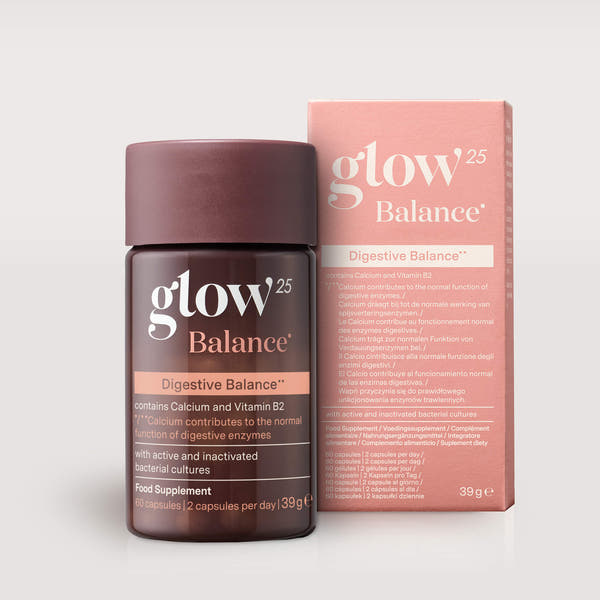
View Glow25 Balance →Learn more
This article is for general information only and does not replace medical diagnosis or treatment. Dietary supplements are not a substitute for a balanced and varied diet and a healthy lifestyle. If symptoms persist or are severe, please consult a doctor.


